
Unplanned interruptions continue reshaping how enterprises protect essential digital operations. Complex infrastructures demand coordinated recovery approaches that prevent extended operational exposure. As disruptions intensify, structured recovery planning supported by Veeam helps safeguard continuity across essential business systems. Leadership teams increasingly prioritize restoration readiness across interconnected operational layers to maintain confidence.
Why Mission Systems Demand Rapid Recovery?
Modern enterprises rely on tightly connected systems that support transactions, coordination, and service delivery. Even brief interruptions can cascade across departments, affecting credibility and internal alignment. Recovery speed now defines how organizations measure operational preparedness during unexpected disruptions.
Operational Exposure Factors
- Interdependent services magnify disruption impact
- Centralized data supports multiple business functions
- Delays compound across operational workflows
- Limited visibility slows restoration decisions
- Manual recovery steps increase uncertainty
Enterprises benefit when recovery strategies reflect real system relationships rather than isolated components. Restoration planning becomes more effective when timing, dependencies, and priorities are clearly understood across teams. This alignment supports faster stabilization during high-pressure moments.
How Restoration Platforms Reduce Downtime?
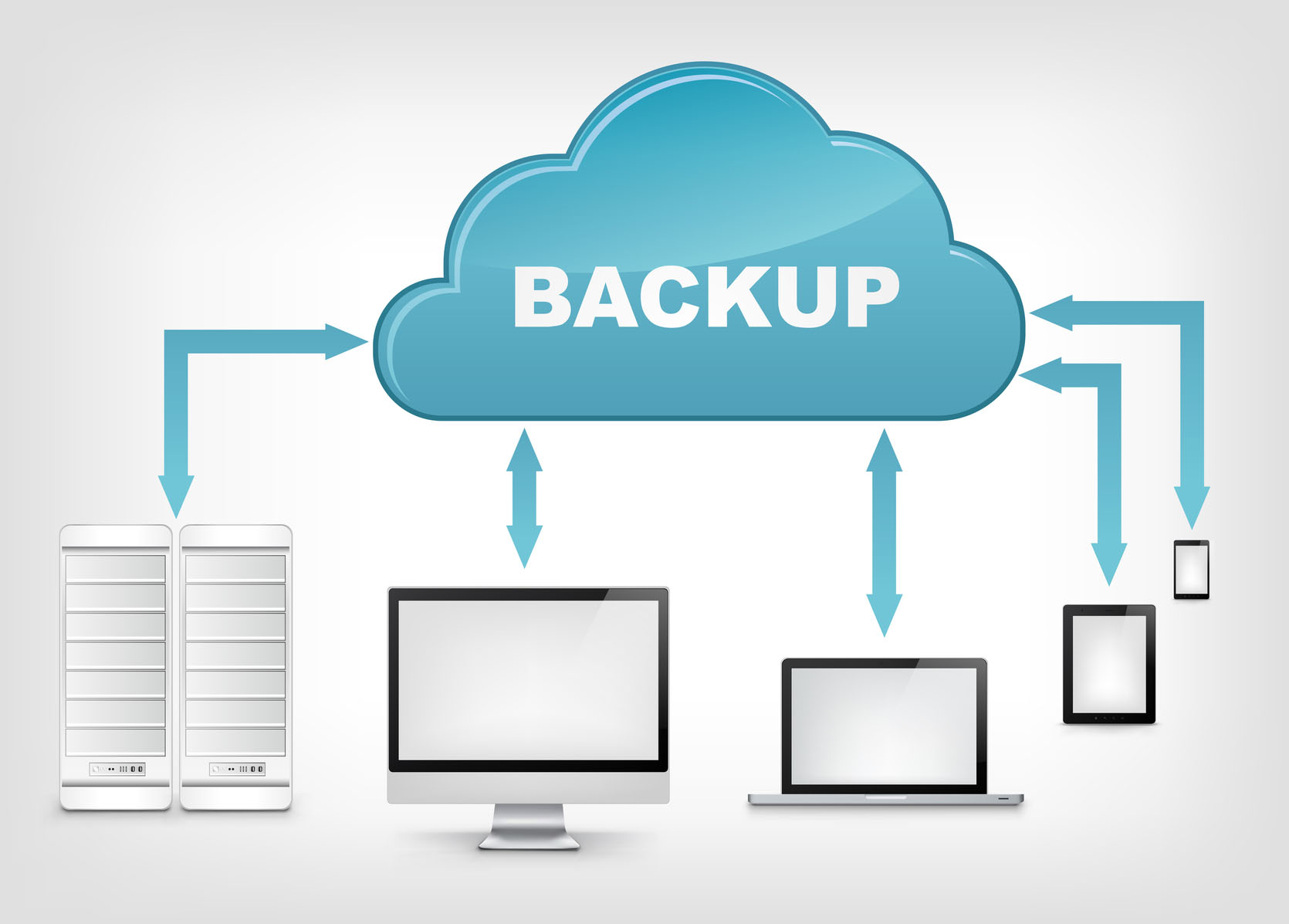
Restoration platforms introduce structure when rapid coordination becomes essential. Automated sequencing helps teams avoid fragmented responses that prolong downtime. Clear recovery logic allows organizations to act decisively instead of reacting in isolation.
Coordinated Recovery Mechanics
- Automated orchestration aligns system dependencies
- Predefined priorities guide restoration order
- Central dashboards improve response awareness
- Consistent workflows reduce manual variation
- Validation cycles strengthen recovery confidence
Advanced restoration capabilities allow teams to regain operational clarity faster. Decision paths become clearer when recovery actions follow tested sequences rather than improvised steps. Large enterprises often regain system alignment faster using platforms such as Veeam.
Where Resilience Sustains Operational Confidence?
Resilience extends beyond infrastructure into preparedness and response discipline. Confidence grows when recovery practices remain consistent across disruption scenarios. Teams operate more effectively when expectations are clear before interruptions occur.
Confidence Reinforcement Areas
- Predictable outcomes strengthen organizational trust
- Documented procedures support faster execution
- Cross-team alignment improves response coordination
- Visibility tools reduce hesitation during decisions
- Continuous validation maintains readiness assurance
Resilient environments reflect deliberate planning supported by repeatable recovery behavior. Confidence becomes measurable through stable restoration performance across varied scenarios. Such assurance supports smoother operations during unpredictable conditions.
Enterprise Stability Through Coordinated Restoration
Stability emerges when restoration capabilities align with broader operational priorities. Enterprises value recovery approaches that support business continuity without unnecessary complexity. Coordinated restoration strengthens long-term confidence across evolving system landscapes. This alignment allows organizations to navigate disruption with greater composure and clarity.