The Foundation of Modern Tooth Replacement
The relationship between dental implants and gum health represents one of the most compelling advantages of modern tooth replacement technology. Unlike traditional dentures or bridges, dental implants offer a unique approach to restoring missing teeth whilst simultaneously supporting the health of surrounding oral tissue. This sophisticated treatment method has transformed the landscape of restorative dentistry, providing patients with solutions that extend far beyond mere aesthetics.
When teeth are lost, the consequences ripple throughout the oral cavity in ways that many people fail to anticipate. The absence of natural tooth roots creates gaps where bacteria can accumulate, potentially leading to inflammation and periodontal complications. Traditional prosthetic solutions, whilst functional, often fail to address these underlying biological concerns. Dental implants in Plymouth, however, integrate directly with the jawbone, creating a stable foundation that mimics natural tooth structure and promotes healthier tissue maintenance.
How Implants Create a Protective Barrier
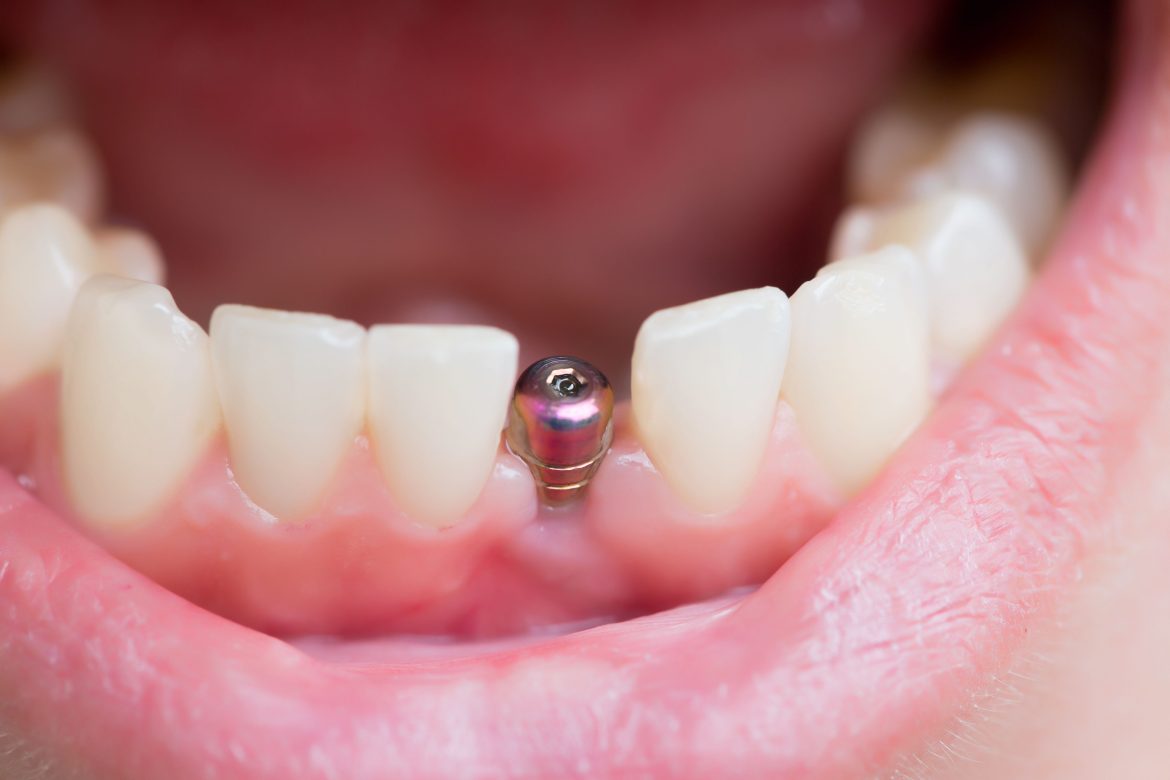
The mechanics of how dental implants support gum health begin with their structural design. Each implant consists of a titanium post that fuses with the jawbone through a process called osseointegration. This biological bonding creates a sealed environment around the implant site, significantly reducing the spaces where harmful bacteria typically colonise. The tight seal between implant and tissue acts as a natural barrier against microbial invasion.
Furthermore, the presence of an implant stimulates the surrounding bone tissue, maintaining its density and volume. This stimulation prevents the bone resorption that commonly occurs after tooth loss, which can lead to gum recession and increased vulnerability to periodontal disease. Patients seeking dental implants in Plymouth often discover that this preventative aspect proves just as valuable as the cosmetic improvement.
The Hygiene Advantage of Fixed Prosthetics
One of the most practical benefits of dental implants lies in their ease of maintenance. Unlike removable dentures, which can trap food particles and create breeding grounds for bacteria, implants function like natural teeth. They can be brushed and flossed using conventional techniques, allowing for thorough cleaning that removes plaque before it can trigger inflammatory responses in the gums.
This accessibility for proper oral hygiene routines cannot be overstated. When patients can effectively clean around their prosthetic teeth without specialised tools or complicated procedures, they are far more likely to maintain consistent dental care habits. The result is a cleaner oral environment where gum tissue can thrive without the constant assault of bacterial accumulation.
Preventing the Domino Effect of Tooth Loss
The strategic placement of dental implants also prevents the shifting of adjacent teeth, a common occurrence when gaps are left unfilled. When neighbouring teeth begin to drift into empty spaces, they create irregular pockets along the gum line where bacteria can flourish undetected. These pockets become increasingly difficult to clean, eventually leading to gingivitis and more severe forms of periodontal disease.
By maintaining proper tooth spacing and alignment, implants preserve the natural architecture of the mouth. This preservation extends to the gum tissue itself, which remains properly supported and contoured around each tooth. The connection between gum disease and dental implants highlights how this treatment can actually interrupt the progression of periodontal problems.
Considerations for Existing Gum Conditions
Whilst dental implants offer substantial protective benefits, patients with pre-existing gum disease require careful evaluation before treatment. The success of implant placement depends heavily on the health of surrounding tissue and bone. Fortunately, many individuals wondering about receiving implants despite existing gum conditions find that preliminary treatments can prepare their mouths for successful implantation.
Professional dental teams employ comprehensive strategies for managing peri-implant disease risk throughout the treatment process. These protocols ensure that implants are placed in optimal conditions and monitored regularly to maintain long-term gum health.
Long-Term Benefits for Oral Wellness
The protective qualities of dental implants in Plymouth extend throughout the lifetime of the restoration. With proper care and regular dental check-ups, implants can serve patients for decades whilst continuously supporting healthy gum tissue. This longevity makes them not merely a cosmetic solution but a genuine investment in overall oral health. The reduction in gum disease risk, combined with improved bone preservation and easier hygiene maintenance, positions dental implants as a comprehensive approach to maintaining oral wellness well into the future.

