Understanding the Science Behind Mastication and Implant Success
The human jaw performs an intricate dance with every bite, executing complex movements that generate forces ranging from gentle nibbles to powerful grinding motions. When clinicians plan for dental implants Leicester patients require, understanding these mastication patterns becomes paramount to achieving long-term success. The relationship between how someone chews and where an implant should be positioned represents one of the most sophisticated aspects of modern implant dentistry, combining biomechanics, physiology, and advanced diagnostic technology.
Chewing pattern analysis examines the specific movements and forces an individual’s jaw produces during the mastication process. Each person exhibits unique characteristics in their chewing behaviour, influenced by factors such as jaw structure, muscle strength, existing dentition, and even psychological habits developed over a lifetime. These patterns dictate how mechanical stress distributes across the dental arch, creating areas of high and low pressure that directly impact implant longevity and comfort.
The Biomechanical Principles at Play
Modern implant dentistry recognises that successful osseointegration extends beyond merely placing titanium posts into the jawbone. The angulation, depth, and positioning of each implant must account for the directional forces applied during chewing. Understanding how implant angulation affects load distribution during chewing has transformed treatment planning protocols, enabling clinicians to predict stress patterns and adjust positioning accordingly.
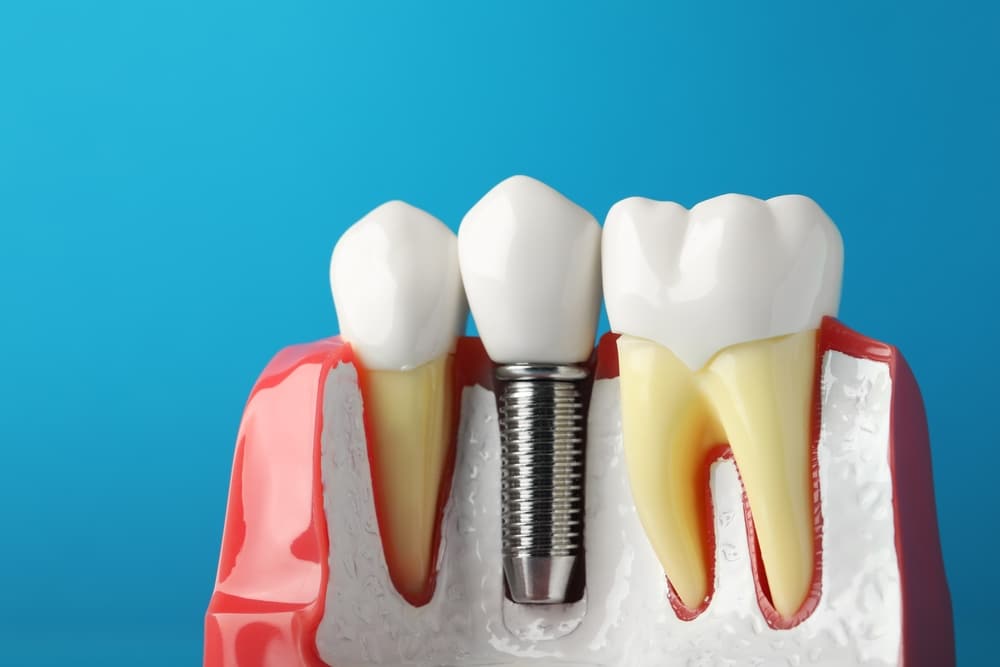
Occlusal forces during normal chewing typically range between 70 and 150 Newtons, though they can exceed 500 Newtons during maximum clenching. These forces travel through the implant crown, down the abutment, and into the implant fixture itself before dispersing into the surrounding bone. When implants align with the natural force vectors of a patient’s chewing pattern, the stress distributes evenly, promoting healthy bone remodelling and preventing complications such as bone resorption or implant failure.
Advanced Diagnostic Technologies
Digital Occlusal Analysis Systems
Contemporary practices employ sophisticated diagnostic tools to map chewing patterns with remarkable precision. Digital occlusal analysis systems utilise pressure-sensitive sensors that record bite forces across multiple points simultaneously, creating detailed visualisations of how forces distribute throughout the dental arch. These systems capture data during various jaw movements, including lateral excursions, protrusive movements, and vertical closure patterns.
Three-Dimensional Imaging and Motion Tracking
Cone beam computed tomography (CBCT) provides clinicians with three-dimensional visualisations of bone density, anatomical structures, and spatial relationships within the jaw. When combined with motion tracking technology, these imaging modalities reveal how the mandible moves through space during mastication. This comprehensive data allows for virtual implant placement that accounts for both static anatomy and dynamic function, ensuring optimal positioning before any surgical intervention occurs.
Customising Implant Placement Based on Individual Patterns
Once chewing patterns have been thoroughly analysed, clinicians can tailor implant positioning to each patient’s unique biomechanical profile. Patients who exhibit predominantly vertical chewing forces benefit from implants positioned perpendicular to the occlusal plane, maximising axial loading. Conversely, those with significant lateral grinding movements require strategic angulation to redirect oblique forces along the implant’s long axis, minimising harmful shear stress.
The number and distribution of implants also depend on mastication analysis. Patients generating substantial bite forces may require additional implants to distribute loads more effectively, whilst those with gentler chewing patterns might achieve excellent outcomes with fewer fixtures. This personalised approach optimises both functionality and cost-effectiveness, ensuring patients receive precisely what their individual circumstances demand.
Addressing Post-Placement Concerns
Even with meticulous planning, some patients experience unusual sensations following implant placement. Understanding why implants may feel different when chewing helps patients navigate the adaptation period with confidence. Research published in peer-reviewed dental journals examining masticatory function demonstrates that proprioceptive feedback differs between natural teeth and implants, requiring a neurological adjustment period.
Proper chewing pattern analysis before placement significantly reduces these concerns by ensuring implants integrate harmoniously with existing oral function. When dental implants Leicester practitioners position according to biomechanical principles, patients typically report more natural sensations and improved satisfaction throughout the healing process.
Achieving Long-Term Success Through Precision Planning
The integration of chewing pattern analysis into implant planning represents a paradigm shift in restorative dentistry. By acknowledging that each patient’s mastication creates unique biomechanical demands, clinicians can position implants with unprecedented precision. This scientific approach transforms implant dentistry from a standardised procedure into a bespoke treatment, maximising both immediate functionality and long-term durability whilst honouring the complex biomechanics that govern oral function.